Dancing Crab Character: A Designer's Embroidery Review
As a designer who has spent years translating digital art into tangible stitched goods, I know that not every Illustration works well as an embroidery project. The gap between a clean vector file and a successful finished product is often where the real work happens. Recently, I pulled up the Dancing Crab Character. Funny Cartoon Un to evaluate its potential for my upcoming summer collection. This isn't just about whether the crab looks cute; it is about how the design behaves under the needle, how it interacts with fabric, and whether it will sell on Etsy or in a boutique.
First Impressions: Personality and Shape
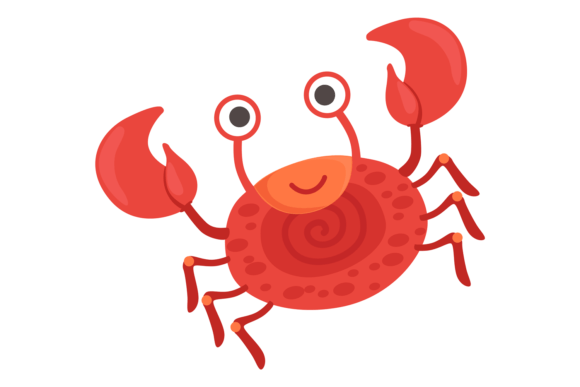
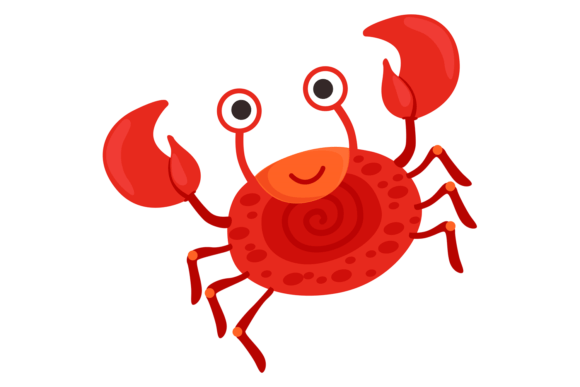
The first thing you notice about the Dancing Crab Character. Funny Cartoon Un is the energy. It is not a static pose; the character is mid-dance, which immediately suggests movement and joy. For a craft business owner looking to create personalized gifts or holiday embroidery items, this kind of visual personality is gold. The lines are bold and the curves are smooth, which is promising for machine embroidery. When I zoomed in on the Graphics version, I saw that the details were kept relatively simple. There are no microscopic textures or overly complex shading that would require thousands of stitches to render correctly. This simplicity is a major plus for maintaining stitch density without creating a puckered mess on the final garment.
The mood is undeniably playful. It screams "beach day," "nursery decor," or "funny kitchen towel." If you are planning a line of custom apparel, this design fits perfectly into a category that appeals to families and kids. However, the success of this piece relies heavily on how we execute the translation from screen to thread.
Real-World Application: From File to Fabric
I decided to test the concept by imagining this design on a heavy cotton tote bag. Tote bags are a staple for Etsy sellers and small shop owners because they offer a large, flat canvas. The Dancing Crab Character. Funny Cartoon Un has enough visual weight to stand out against the natural beige of a canvas bag. In this scenario, I would likely use a combination of fill stitch for the body and legs to give it substance, and perhaps some satin stitch for the eyes and claws to add definition and shine.
Consider the application on a sweatshirt embroidery project. Hoodies and sweatshirts have a textured surface that can sometimes swallow up delicate designs. Because this cartoon crab has thick outlines and solid shapes, it should hold up well against the looped texture of fleece. The isolation of the character on a white background in the source file makes it easy to separate layers if needed, though for a standard machine embroidery design, keeping it as a single unit might be more efficient for production runs.
For those focusing on baby embroidery, this character is a safe bet. The rounded edges and lack of sharp, aggressive angles make it suitable for onesies or bibs. Parents love whimsical animals, and a dancing crab feels less generic than a standard starfish or whale. It offers a unique angle for a nursery theme without being too gender-specific.
Navigating Technical Challenges
While the design is strong, there are specific situations where caution is required. If you attempt to scale the Dancing Crab Character. Funny Cartoon Un down to fit a small hoop size, such as for a cap or a hat, you risk losing the charm. The dance pose involves extended limbs; if these become too thin during stitching, the threads may break or look messy. Always check your hoop size limitations before committing to a tiny placement.
Fabric choice is another critical factor. On stretchy fabric like jersey knit, the tension of the embroidery can cause the design to warp. You must use a high-quality stabilizer to keep the crab from distorting. Similarly, if you are working with dark fabric, you cannot simply embroider directly on top. You would need to plan for an underlay or a light-colored backing to ensure the colors pop. The transparency of the PNG version helps visualize this, but in reality, the thread color selection becomes even more important to maintain contrast.
Be wary of using this on products that undergo frequent washing, such as kitchen towels or aprons. While the design itself is durable, dense areas of fill stitch can stiffen the fabric over time. If you are making a commercial product that needs to remain soft, consider reducing the stitch count in the larger areas or using a lighter thread weight.
Design Integrity and Customer Trust
When selling handmade products, the quality of the embroidery directly impacts customer trust. A poorly executed design can make a brand look amateurish. The Dancing Crab Character. Funny Cartoon Un has the potential to elevate a finished product because of its clear lines. However, if the digitization is poor, the "funny" aspect can turn into a blob of thread. As a reviewer, I advise testing the design on scrap fabric first. Check the thread colors against your intended background. Does the blue of the crab stand out on navy denim? Probably not. You might need to adjust the palette.
Visual appeal is also about consistency. If you are building a brand around beach themes, this character fits seamlessly. It adds recognition to your small shop merchandise. Customers remember the funny dancing crab, and that memory drives repeat business. Whether you are creating an embroidered patch to sew onto jackets or a full-scale tote bag design, the clarity of the image ensures it looks professional.
Practical Notes for the Designer
Before you start stitching, take a moment to review the technical files. The product description mentions EPS, JPG, SVG, and transparent PNG formats. These are great for layout and printable mockup creation, but remember that these are not native embroidery files (like .PES or .DST). You will need to digitize this digital embroidery file or purchase a pre-digitized version specifically for your machine. Do not assume the vector lines will translate automatically into perfect stitches.
Here are a few actionable steps for using this asset:
- Test on Scrap: Always run a test on a piece of the actual fabric you intend to use to check for puckering.
- Check Contrast: Compare light and dark fabric backgrounds to ensure the crab remains visible.
- Verify Licensing: Confirm whether the license allows you to sell commercial embroidery items or if it is restricted to personal use.
- Inspect Details: Look closely at the claws and eyes. Ensure the digitization supports these small features without them disappearing.
- Mockups: Use black and white mockups first to judge the shape before adding color.
If you are an Etsy seller or a creative entrepreneur, the Dancing Crab Character. Funny Cartoon Un is a versatile asset that can breathe life into your catalog. It bridges the gap between a simple Illustration and a marketable handmade product. With careful planning regarding stabilizers, thread choices, and fabric types, this design can become a bestseller in your shop. Just remember, the magic isn't just in the file; it is in how you bring it to life with your needle and thread.