Funny Bread Retro Vintage: A Designer's Review
As a designer who has spent years navigating the intersection of digital graphics and physical thread, I approach every new asset with a critical eye. The market is flooded with generic clip art, but finding a piece that truly translates from screen to stitch is rare. Recently, I evaluated Funny Bread Retro Vintage, a design that promises to bring a touch of whimsy to custom apparel and home decor. Before you download this file for your next project or list it in your shop, let’s dig into how it actually performs in a real-world embroidery scenario.
The First Impression: Mood and Visual Weight
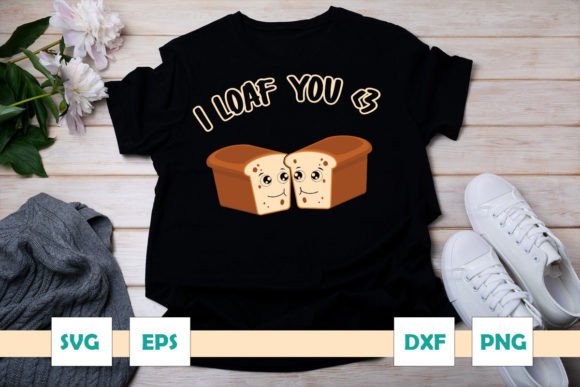
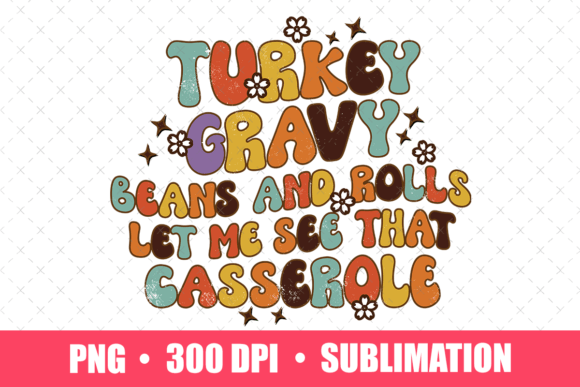
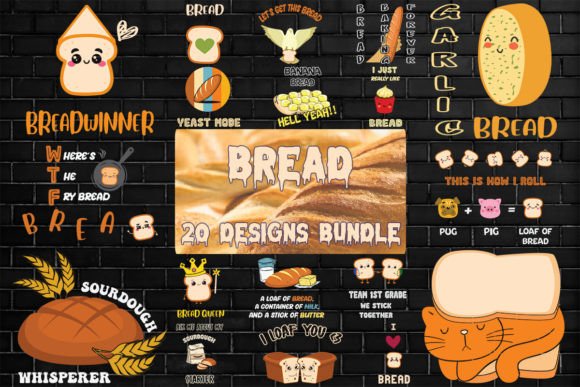
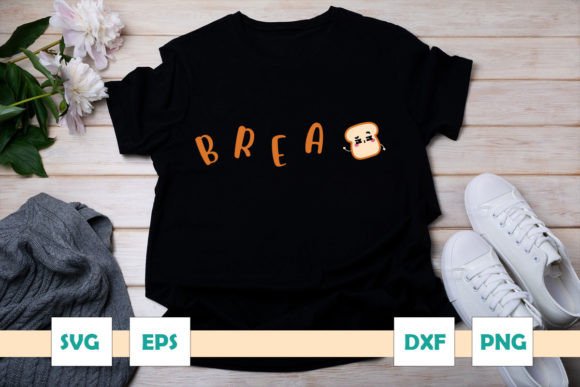
When I first opened the preview of Funny Bread Retro Vintage, the retro aesthetic immediately stood out. It captures that nostalgic, slightly kitschy vibe that is currently dominating craft trends. The shape is bold and distinct, which is crucial for machine embroidery. Unlike overly intricate designs that get lost in dense fill stitches, this graphic maintains its personality even when scaled down. The visual weight feels balanced, suggesting it will sit well on a variety of substrates without overwhelming the fabric.
This isn't just a simple line drawing; it has the depth required to look like a high-quality handmade product. For an Etsy seller or boutique owner, the design offers a unique selling point. It feels less like a mass-produced logo and more like a curated piece of art ready for personalization. Whether you are looking at it as a printable mockup for your website or imagining it stitched onto a canvas tote, the "Funny Bread" theme resonates with customers who appreciate humor and vintage charm.
Real-World Application: From File to Fabric
To truly understand the value of this embroidery file, I imagined a specific project: a custom embroidered apron for a local bakery opening. The goal was to create something professional yet playful. Using Funny Bread Retro Vintage, the design popped against the natural linen texture. The clean lines of the graphic allowed me to use a combination of satin stitch for the outlines and a tight fill stitch for the body, ensuring the image remained crisp after multiple washes.
This versatility is where the design shines. It works equally well on heavy fabrics like denim for a sweatshirt embroidery project or lighter materials for a baby onesie. If you are a small shop product creator, consider using this for holiday gifts. Imagine a festive kitchen towel or a cozy pillow cover featuring this bread motif; it instantly elevates a basic item into a desirable gift. The design also pairs beautifully with other elements, making it perfect for creating a cohesive collection of custom apparel or embroidered patches.
Where to Use It With Care
While Funny Bread Retro Vintage is robust, experienced designers know that no design is universal. There are specific scenarios where caution is required. On textured fabrics like terry cloth or thick fleece, the fine details of the retro font might get swallowed by the pile. In these cases, I recommend simplifying the background or increasing the overall scale to maintain legibility.
Similarly, if you are working with very thin or stretchy fabrics, such as jersey knit, the density of the stitch density could cause puckering. Always test on a scrap piece first. Dark fabrics present another challenge; the light colors often found in retro designs need a solid underlay to prevent them from disappearing into the black or navy background. Finally, avoid placing this design on curved surfaces like caps unless you have adjusted the hoop size and stabilizer strategy, as the corners of the bread graphic might distort on a rounded brim.
Technical Considerations for the Maker
One of the practical aspects of Funny Bread Retro Vintage is the file format availability. You receive a zip-file containing an SVG, a PNG with a transparent background, and a DXF file. This variety is excellent for hybrid projects. The SVG and DXF files are particularly useful for cutting machines, allowing you to create applique layers or iron-ons before stitching. However, remember that these are primarily Graphics and Print Templates. If you intend to use them strictly for machine embroidery, ensure your software can convert these vector formats into a proper stitch file (.PES, .DST, etc.) if your machine requires it.
Before committing to a final run, always check the thread colors. The retro palette likely includes pastels or muted tones. Ensure your thread selection matches the intended mood. A bright neon thread might clash with the vintage feel, while a variegated thread could enhance the nostalgia. Also, verify the licensing terms. While the description mentions it is perfect for printables and card making, confirm whether you are allowed to sell finished goods commercially. As a craft business owner, protecting your investment and respecting intellectual property is non-negotiable.
Impact on Brand and Customer Trust
Using a high-quality design like Funny Bread Retro Vintage directly influences customer perception. In the world of handmade goods, presentation is everything. A sloppy stitch job or a poorly chosen graphic can make a product look cheap. Conversely, a well-executed embroidery project signals professionalism and care. When a customer sees a crisp, clear image on a tote bag or a personalized gift, their trust in your brand increases.
This design helps build that connection. It’s conversation-starting. People love bread puns and retro aesthetics, so featuring this on your Etsy listings or craft fair booth can drive engagement. It transforms a standard item into a statement piece. For digital product sellers, offering this as part of a bundle of design assets adds significant value. It shows you understand current trends and provide tools that help other makers succeed.
Final Thoughts for the Creative Entrepreneur
In conclusion, Funny Bread Retro Vintage is a strong contender for your design library. It balances fun with functionality, offering enough detail to be interesting but remaining simple enough to stitch reliably. Whether you are preparing a holiday embroidery kit, designing a new line of baby clothes, or creating unique merchandise for your small business, this graphic provides a solid foundation.
Just remember the golden rule of embroidery: test, stabilize, and adjust. Don’t rush the process. Check your hoop size, review the stitch count if possible, and always do a trial run on scrap fabric. By taking these steps, you ensure that the final finished product lives up to the potential of the original design. With the right execution, this retro bread motif could become a signature element of your brand, bringing smiles to customers and satisfaction to your creative workflow.