I'm With the Labrador Retriever Funny Review
As a designer who has spent years turning digital graphics into tangible stitched goods, I approach every new asset with a mix of excitement and skepticism. The market is flooded with T-Shirt Designs that look great on a screen but fall apart under the needle. Today, I am putting "I m with the Labrador Retriever Funny" through its paces to see if it holds up as a serious tool for your craft business or personal projects. This isn't just about whether the dog looks cute; it is about how the design translates from a digital file to a finished product that customers will actually want to buy.
First Impressions: Mood and Visual Personality
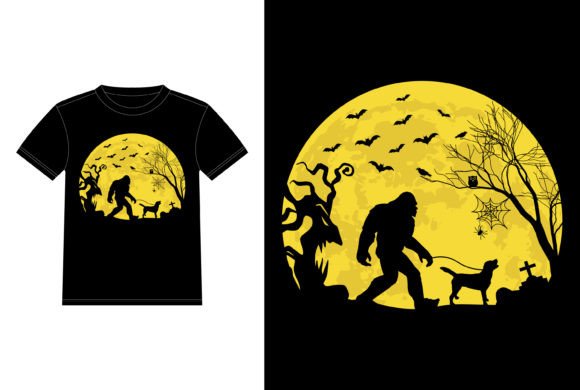
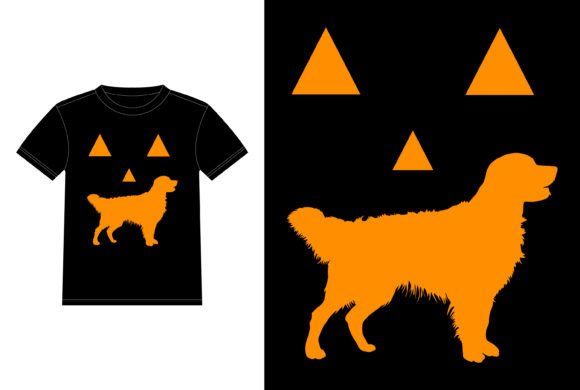
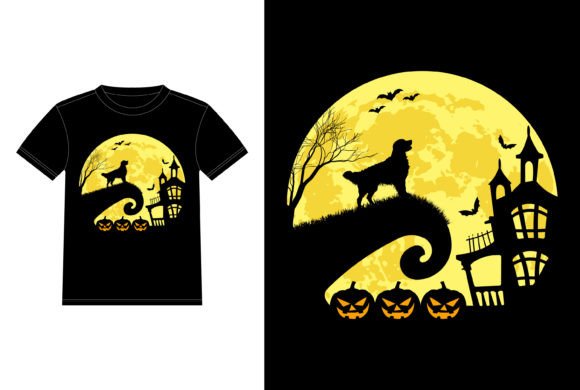
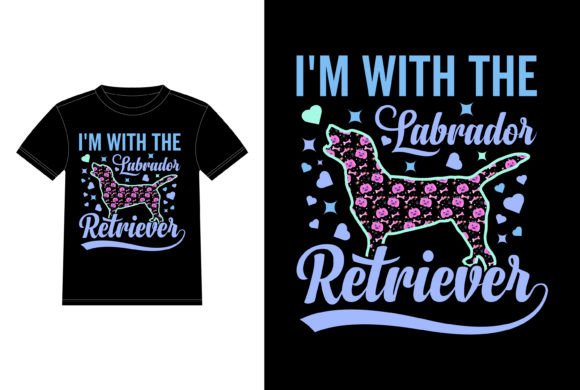
When you first open the preview for "I m with the Labrador Retriever Funny," the immediate vibe is playful and warm. Labrador Retrievers are beloved for their friendly nature, and this graphic captures that essence perfectly. For a Halloween-themed item, it strikes a balance between spooky fun and wholesome pet love. The layout suggests a clear focal point, which is crucial when converting Graphics into embroidery. Unlike some overly complex vector art that relies on tiny gradients impossible to stitch, this design appears to have bold lines and distinct shapes. This is promising because it means the resulting machine embroidery design will likely maintain clarity without requiring an excessive number of thread changes that can bog down production time.
The visual personality here screams "custom apparel." It feels like something a dog owner would proudly wear at a neighborhood block party or a costume event. However, as a reviewer, my eye immediately goes to the text integration. In embroidery, lettering can be the make-or-break element. If the phrase "I m with the Labrador Retriever Funny" is too small or intertwined with intricate fur details, it could become illegible after stitching. The design needs to offer enough breathing room between the text and the dog illustration to ensure readability on various fabric textures.
A Real-World Scenario: The Custom Tote Bag Project
Let's imagine a practical application. You run a small shop product line focused on handmade gifts, and you have an order for a set of personalized tote bags for a local dog rescue fundraiser. You decide to use "I m with the Labrador Retriever Funny" as the centerpiece. The canvas is a sturdy cotton blend, perfect for holding a decent amount of stitch density.
In this scenario, the design works well because the subject matter is universally appealing. A customer walking past your booth sees a high-quality embroidered patch style image of a happy Lab and instantly connects with the message. The humor in the title adds a layer of engagement, making the bag feel like a conversation starter rather than just a utility item. Because the design is available as an EPS and SVG file, you have the flexibility to adjust the scale. For a tote bag, you might opt for a larger hoop size to maximize the impact, ensuring the fill stitch covers the background cleanly without puckering the fabric.
However, if you were attempting this same design on a stretchy sweatshirt, you would need to be more cautious. Stretch fabrics require specific stabilizers and often benefit from a slightly looser stitch density to prevent the threads from snapping during movement. The "I m with the Labrador Retriever Funny" graphic must be robust enough to handle these material challenges. If the original vector lines are too thin, they might not hold up well when converted to a satin stitch border on a heavy fleece garment.
Navigating Fabric and Hoop Constraints
One of the most critical aspects of evaluating any digital embroidery file is understanding where it should be used carefully. While "I m with the Labrador Retriever Funny" is versatile, it is not a one-size-fits-all solution. Small hoop sizes present a significant challenge. If you try to force this design into a 4x4 inch hoop, you risk compressing the details of the Labrador's face and the text, leading to a muddy, indistinct result. Always check the recommended dimensions before committing to a project.
Fabric texture also plays a major role. On a smooth cotton t-shirt, the design will pop with crisp edges. But on a textured linen pillow cover or a thick denim apron, the needle has to work harder to penetrate the fibers. In these cases, the running stitch outlines might need reinforcement, and you may need to increase the weight of your thread colors to ensure visibility. Dark fabrics are another consideration. If you are embroidering this design on a black hoodie, you cannot rely on white thread alone for the entire piece. You will need to utilize the color-changeable feature of the EPS and SVG files to select contrasting hues that make the Labrador stand out against the dark background.
Curved surfaces, such as caps or hats, require special attention. The flat nature of the digital file does not account for the curvature of a baseball cap. When mapping "I m with the Labrador Retriever Funny" onto a curved surface, the text might warp if not adjusted properly in your digitizing software. It is essential to test the design on scrap fabric that mimics the curve of your final product to avoid distortion.
Practical Designer Notes for Success
- Test on Scrap First: Never skip the test run. Stitch "I m with the Labrador Retriever Funny" on a piece of the actual fabric you plan to use. Check for puckering, skipped stitches, or tangled threads.
- Check Thread Contrast: Ensure the thread colors you select provide enough contrast against the fabric. A light-colored dog on a cream shirt might get lost without a defined outline.
- Review Stitch Density: If the design feels too dense, reduce the fill percentage slightly to allow the fabric to breathe, especially on lightweight materials.
- Confirm Hoop Size: Verify that your machine's hoop can accommodate the full width and height of the design without cutting off parts of the text or the dog's tail.
- Inspect Small Details: Zoom in on the eyes and nose of the Labrador. These areas often require precise satin stitch to look sharp. If the vector lines are too close together, consider simplifying them.
- Use Proper Stabilizer: For custom apparel like t-shirts, a cutaway stabilizer provides better support for long-term durability compared to tear-away options.
- Mockup Testing: Before selling, create a printable mockup or a digital preview to show potential buyers exactly how the finished product will look.
- Licensing Check: As an Etsy seller or small business owner, always confirm the licensing terms. Can you sell items made with this design? Can you resell the digital file itself? Understanding these rights is vital for your commercial embroidery projects.
Impact on Brand Value and Customer Trust
Using a high-quality design like "I m with the Labrador Retriever Funny" directly impacts the perceived value of your handmade products. Customers today are savvy; they can tell the difference between a sloppy, poorly digitized image and a professional-grade machine embroidery design. When the stitching is clean, the colors are vibrant, and the details are sharp, it builds trust in your brand. It signals that you care about quality and attention to detail.
For holiday gifts or personalized items, this design offers excellent recognition. A Labrador lover seeing their favorite breed represented with humor and style is likely to engage with your product, share it on social media, and recommend your shop to others. This kind of organic marketing is invaluable for a craft business. Whether you are creating a baby embroidery blanket, a kitchen towel, or a boutique branded hat, the consistency of your output matters. Using reliable design assets ensures that every item leaving your shop meets the same high standard.
Ultimately, "I m with the Labrador Retriever Funny" is more than just a funny graphic; it is a potential revenue stream for creative entrepreneurs who know how to execute it correctly. By respecting the limitations of your equipment, choosing the right materials, and testing thoroughly, you can transform this digital file into a cherished physical object. Whether you are a hobbyist looking to make a unique gift or a professional decorator fulfilling a large order, the key lies in preparation and execution. Treat the design with the respect it deserves, and it will reward you with beautiful, sellable results.