Bumblebee Icon: A Designer's Real-World Review
As a designer who has spent years translating digital Illustrations into tangible stitched goods, I approach every new asset with a mix of excitement and skepticism. When I first opened the file for Bumblebee Icon. Funny Child Toy. Cute Sm, my immediate thought was about its potential on a nursery blanket or a toddler's onesie. The visual personality is undeniably cheerful. It captures that specific, high-energy innocence that parents love to see on their children's items. However, moving from a screen preview to a physical finished product requires a critical eye. This review breaks down how this machine embroidery design performs when you actually put it through your hoop.
The First Impression: Visual Weight and Mood
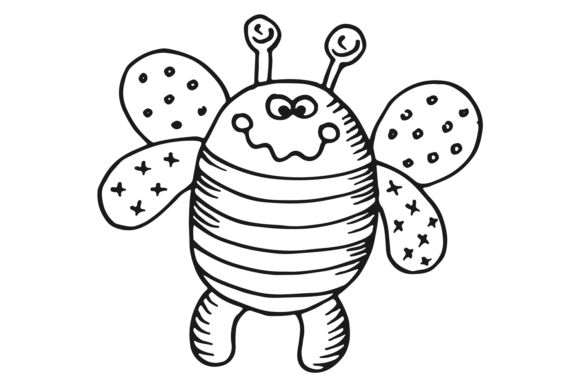
The design presents itself as a classic icon style, which is a double-edged sword in the world of embroidery project planning. On one hand, icons are versatile; they scale well and fit almost anywhere. On the other hand, simple shapes can sometimes lack the texture needed to look premium once stitched. The "funny child toy" aspect of the description suggests a playful distortion or exaggerated features, which usually translates well into satin stitch outlines. The smiling face is the focal point, and in a digital format, it reads clearly. But will that clarity survive the density of thread?
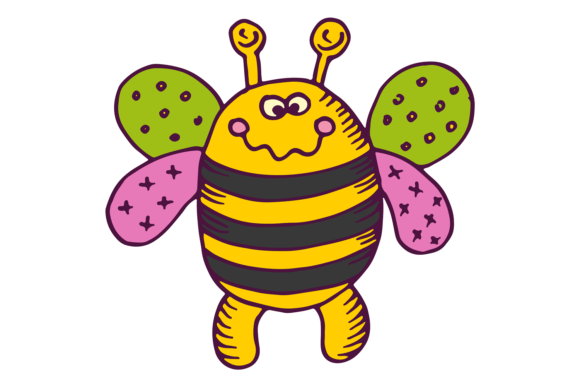
In my experience, cute animal designs like this one thrive on soft fabrics. The rounded edges of the bumblebee suggest a friendly, non-threatening vibe, perfect for a personalized gift for a baby shower or a birthday party favor. The isolated white background mentioned in the source files means you have flexibility, but remember that in embroidery, we rarely stitch white backgrounds unless doing an applique. We rely on the fabric color to do the heavy lifting. If you plan to use this on a dark sweatshirt, you will need to ensure the yellow and black contrast remains sharp without bleeding into the base material.
Real-Life Application: From Tote Bags to Caps
Let's talk about a specific scenario. Imagine you are running a small craft business on Etsy and you want to create a line of summer-themed tote bag design items. You grab a canvas tote, load your machine, and test the Bumblebee Icon. Funny Child Toy. Cute Sm. Here is where the practical reality sets in. Canvas has a coarse fabric texture that can sometimes swallow fine details. If the bee's smile or eyes are too thin in the vector file, they might get lost in the weave of the bag.
I recommend testing this digital embroidery file on a scrap piece of similar weight fabric first. If the eyes disappear, you may need to manually adjust the stitch density or thicken the lines in your digitizing software before committing to a batch. Conversely, if you are making baby embroidery items, such as a pillow cover or a bib, the softer cotton or flannel will hold the definition much better. The "cute" factor shines brightest here because the fabric doesn't fight the thread. The result is a plush, tactile element that feels high-quality and safe for little hands.
For custom apparel like caps, the curved surface adds another layer of complexity. Icons are generally good for caps because they don't require large, flat areas that pucker easily. However, check the width of the design against your cap hoop. If the bee is too wide, the stitching on the curve might pull unevenly. In my studio, I often resize these types of graphics slightly smaller than expected to ensure a clean finish on curved surfaces.
Navigating Technical Challenges
While the concept is sound, there are specific areas where you must exercise caution. Small hoop sizes are a common pitfall. If you try to force this design into a 4x4 inch hoop while keeping the details tiny, you risk thread bunching. The fill stitch areas on the wings and body need enough room to lay flat. If the hoop size is too constrained, the stitches will crowd, leading to a stiff, cardboard-like feel rather than a soft, professional look.
Another critical consideration is the use of thread colors. The classic yellow and black combination is iconic, but cheap threads can make the yellow look dull or muddy. For a boutique product, invest in high-quality rayon or polyester threads that pop. Also, consider the running stitch used for outlines. If the outline is too sparse, it won't define the shape against light-colored fabrics. You might need to increase the stitch count or add a second pass to ensure the bee stands out.
Dark fabrics present a unique challenge. Without a white underlay or a dense fill, the yellow thread might not show up vibrantly against navy blue or charcoal gray. Always test on a swatch of your intended background color. Sometimes, adding a white underlay stitch beneath the colored fills makes all the difference in achieving that bright, cheerful look promised by the original Graphics.
Value for Your Craft Business
For the Etsy seller or small shop product owner, the value of this design lies in its versatility and broad appeal. A smiling bumblebee is a timeless motif that fits into spring collections, gardening themes, and general children's decor. It enhances buyer engagement because it triggers an emotional response—people want to buy things that make them smile. When you offer a handmade product featuring this icon, you aren't just selling a patch; you are selling a feeling of warmth and playfulness.
However, brand consistency is key. Ensure that the style of this bee matches your other design assets. If your shop specializes in rustic, vintage aesthetics, a cartoonish, modern bee might feel out of place. But for a shop focused on kids, gifts, or cheerful home goods, it is a strong addition. It elevates the perceived value of a basic item. A plain apron becomes a statement piece with a well-executed embroidered bee.
Practical Designer Notes Before You Stitch
Before you finalize your order or start stitching, keep these practical steps in mind:
- Test on Scrap Fabric: Never skip this step. Stitch the design on a piece of fabric similar to your final project to check for puckering or missing details.
- Check Stabilizer Needs: Depending on the fabric, you may need a tear-away or cut-away stabilizer to support the fill stitch areas and prevent distortion.
- Review Licensing: Confirm whether the license allows for commercial embroidery. Some Graphics are for personal use only, so verify you can sell the finished items.
- Inspect File Formats: Since the product offers EPS, JPG, SVG, and PNG, ensure you have the correct file type for your digitizing software. JPGs and PNGs are images, not editable vectors, so you will need the EPS or SVG for proper scaling and editing.
- Mockup Testing: Use a printable mockup to visualize how the design looks on different products before investing in materials.
Ultimately, Bumblebee Icon. Funny Child Toy. Cute Sm is a solid contender for your design library, provided you respect the technical requirements of embroidery. It brings joy to a project, but like any tool, its success depends on how skillfully you wield it. With careful planning and attention to detail, this design can become a best-seller in your catalog, bringing smiles to customers and satisfaction to your creative process.