Crazy Bee Sketch: A Designer's Real-World Review
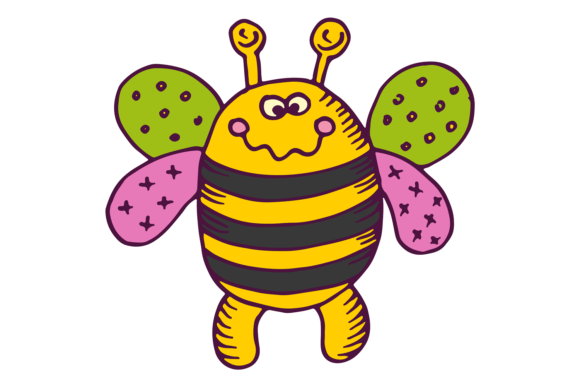
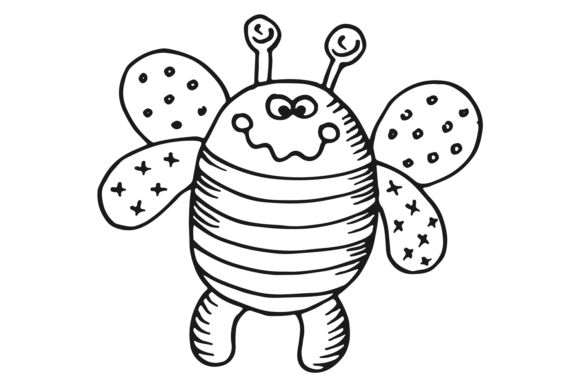
As a designer who has spent years translating digital art into tangible stitched goods, I know that not every graphic file translates well to thread. When I first opened the Crazy Bee Sketch. Funny Bumblebee Charac, my immediate reaction was one of genuine delight. In the world of commercial embroidery, finding a character that balances whimsy with structural integrity is rare. This design immediately signals a playful, lighthearted mood, perfect for projects where you want to inject a bit of personality without overwhelming the fabric. The sketch style suggests a hand-drawn aesthetic, which is currently trending in the handmade and boutique markets.
First Impressions: Character and Composition
The visual personality of this bumblebee is distinct. Unlike rigid, geometric insect designs often found in generic clip art, this character feels alive. The smiling expression and the loose lines of the sketch give it a friendly approachability. For an Etsy seller or a small shop owner, this kind of Illustrations asset can be a game-changer for branding. It stands out against the sea of corporate logos and stiff vector art. However, as we move from the screen to the machine, the real test begins. Does the charm survive the translation from pixels to machine embroidery design?
When evaluating a Graphics file like this, I look at the line weight and the density of the shading. The "sketch" aspect implies varying line thicknesses, which can sometimes be tricky for satin stitch conversion. If the lines are too thin, they may disappear on textured fabrics. If they are too thick, they might lose their delicate, hand-drawn feel. My initial assessment is that the layout is balanced, but the success of the final finished product will depend heavily on how the digitizer handled the fill areas versus the outline.
Real-Life Application: From Tote Bags to Baby Gear
Let’s talk about a specific scenario. Imagine you are preparing a custom embroidered tote bag for a local craft fair. You need something that catches the eye of a parent walking by. The Crazy Bee Sketch. Funny Bumblebee Charac fits this perfectly. On a natural canvas tote, the yellow and black thread colors would pop beautifully, especially if you use a high-quality stabilizer to prevent puckering. The sketch style works exceptionally well on tote bag design because the texture of the canvas mimics the roughness of a pencil sketch, blending the two mediums seamlessly.
I also see immense potential for baby embroidery. Nursery decor and baby onesies often require soft, non-threatening characters. A funny, smiling bumblebee is less intimidating than a realistic bee and adds a touch of joy to personalized gifts. Whether it is a pillow cover for a child’s room or a bib for a newborn, the cheerful nature of the character makes it a safe bet for parents looking for unique handmade products.
For the apparel decorator, consider placing this on the chest of a sweatshirt. Sweatshirt embroidery requires a design that isn't too dense, or the garment will become stiff and uncomfortable. The open nature of a sketch usually allows for better breathability in the stitching compared to solid block fills. This makes it an excellent choice for casual wear where comfort is just as important as aesthetics.
Navigating Challenges: Where Caution is Needed
While the design is versatile, there are scenarios where you must exercise caution. If you are working with very small hoop sizes, such as for a cap or a keychain patch, the details of the sketch might get lost. The "sketchy" lines could merge into a blob if the hoop size forces the design to shrink below its optimal dimensions. Always check the minimum recommended size before committing to a tiny embroidered patch.
Fabric texture is another critical factor. On smooth cotton or linen, the design shines. However, on highly textured fabrics like heavy denim or fuzzy fleece, the fine lines of the sketch might struggle to maintain clarity. In these cases, you might need to adjust the thread colors to ensure maximum contrast. A dark grey thread on a light heather grey sweatshirt, for instance, might make the bee look muddy rather than crisp.
Furthermore, when dealing with stretchy fabrics, the tension of the fill stitch and running stitch can cause distortion over time. If you are making leggings or fitted tops, test the design on scrap fabric first to see how the threads react to stretching. The last thing you want is a distorted bee on a customer's favorite top after the first wash.
Practical Designer Notes for Success
To ensure your project succeeds, here are my practical recommendations for using the Crazy Bee Sketch. Funny Bumblebee Charac:
- Test on Scrap Fabric: Never skip this step. Stitch the design on a piece of the actual fabric you plan to use. Check for puckering, thread breaks, and color vibrancy.
- Check Thread Color Contrast: Since this is a sketch, the outlines define the character. Ensure your black or dark blue thread contrasts sharply against the background fabric.
- Review Stitch Density: Look closely at the digitized file. If the fill areas are too dense, the design will look heavy. Thinning out the stitch density can preserve the airy, sketched feel.
- Use Proper Stabilizer: For lightweight items like tea towels or baby clothes, a tear-away or cut-away stabilizer is essential to support the stitches without adding bulk.
- Mockup in Black and White: Before buying thread, create a printable mockup in grayscale. This helps you visualize the tonal balance and ensures the character reads clearly without relying solely on color.
- Verify Licensing: As a craft business owner, always confirm the licensing terms. Can you sell the finished item? Can you resell the digital embroidery file? Understanding these boundaries protects your brand and keeps you compliant.
Impact on Brand and Customer Trust
Ultimately, the value of a design lies in how it elevates your brand. Using a unique asset like Crazy Bee Sketch. Funny Bumblebee Charac differentiates your work from competitors using standard clip art. It shows attention to detail and a commitment to quality. Customers appreciate the effort put into selecting a design that feels personal and artistic.
When a client receives a custom apparel item with a well-executed, charming bee, their perception of your craftsmanship increases. It transforms a simple garment into a conversation starter. For commercial embroidery projects, this level of visual appeal builds trust. Clients see that you understand how to select assets that translate well to thread, ensuring their investment looks professional and polished.
In conclusion, while no design is perfect for every situation, this bumblebee offers a fantastic blend of fun and functionality. With careful planning regarding fabric choice, stabilizer use, and hoop size, it can become a staple in your collection of design assets. Whether you are creating holiday gifts, boutique merchandise, or personalized keepsakes, this character brings a smile that stitches right through to the heart of the project.