Swing Ride Icon: A Designer's Real-World Review
As a designer who has spent years translating digital Illustrations into tangible thread, I know that the jump from screen to fabric is where most projects succeed or fail. Today, I am putting Swing Ride Icon. Kid Funny Outdoor Activ through its paces. This isn't just about looking at a pretty graphic; it is about understanding how this specific design behaves when you load it into your machine, hoop it up, and stitch it onto a real product for a client or your own shop.
When I first opened the files for Swing Ride Icon. Kid Funny Outdoor Activ, my immediate reaction was to the mood. It captures that classic, carefree energy of childhood play perfectly. The lines are clean, and the character expression is lively without being overly chaotic. In the world of Graphics, simplicity often wins, but only if the details hold up under magnification. For embroidery, "funny" and "playful" can sometimes translate to tiny, intricate features that get lost in the stitching process. My goal here is to see if this design maintains its personality once it becomes a machine embroidery design.
The First Impression: Shape and Visual Personality
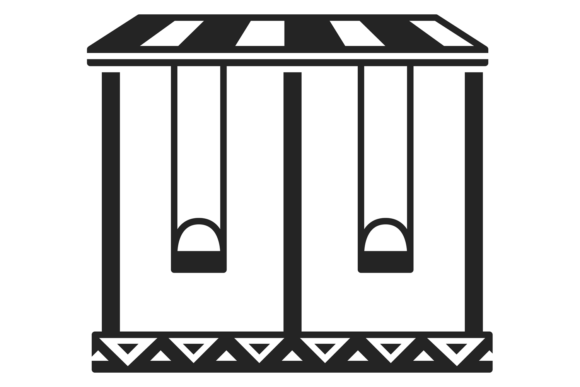
Visually, the icon is balanced. The swing arc creates a natural curve that guides the eye, while the child figure provides the focal point. For an embroidery project, this layout is promising because it suggests a compact footprint. Unlike sprawling scenes that require large hoops, this icon feels like it could fit comfortably on a chest pocket, a tote bag corner, or even as a standalone patch.
However, the transition from a flat transparent PNG or JPG to a stitched object requires critical thinking. The curves of the swing ropes and the limbs of the child need to be evaluated for how they will convert into satin stitch or fill stitch. If the original vector lines are too thin, the digitizer might struggle to create stable stitches, leading to breakage or gaps. As a reviewer, I always look for thickness in the outlines. Here, the boldness of the lines suggests it will stitch well, provided the digitizing quality is high.
A Real-Life Scenario: The Custom Tote Bag Project
Let's imagine a practical scenario. You run a small craft business on Etsy, and a customer wants a personalized gift for a nephew turning four. They ask for a durable, fun item. You decide to use Swing Ride Icon. Kid Funny Outdoor Activ on a heavy-duty canvas tote bag design. This is a common request for birthday parties or school events.
When I visualize this finished product, the sturdy canvas works in our favor. Canvas has a tight weave that supports higher stitch density without puckering. The bright colors of the icon would pop against a neutral beige or white background. But here is the catch: the texture of the canvas. If the fabric is too rough, fine details in the child's face might blur. Before committing to the final piece, I would always test the design on scrap fabric first. This ensures that the thread colors blend correctly and that the hoop size allows the design to sit flat without distorting the shape of the swing.
If I were selling this as a handmade product, the clarity of the image directly impacts customer trust. A fuzzy, poorly defined smile on the child's face looks unprofessional. Conversely, a crisp, well-defined icon elevates the perceived value of the entire bag. It transforms a generic tote into a curated, boutique-quality item. This is where the quality of the source digital embroidery file matters immensely.
Navigating Fabric Challenges and Limitations
While the design is versatile, it is not universally perfect for every surface. There are specific situations where Swing Ride Icon. Kid Funny Outdoor Activ needs careful handling. For instance, using this on stretchy fabrics like jersey knit for a t-shirt requires extra attention. Without the proper stabilizer, the tension of the needle pulling through the stretchy material can warp the swing arc, making it look lopsided.
I also advise caution with dark fabrics. Since the description mentions a white background version, placing this directly on black denim or navy sweatshirts might result in a muddy appearance unless you plan for a backing layer or a dense fill. On curved surfaces like caps, the geometry of the swing could distort if the design is placed near the seam. The top of the cap curves away, which might cut off the highest point of the swing rope. Always check the placement relative to the garment's structure.
Furthermore, consider the longevity of the product. Items that undergo frequent washing, like kitchen towels or baby clothes, put stress on the stitches. If the design relies heavily on long running stitch elements for the swing chains, these might snag over time. Ensuring the digitizing prioritizes durability over pure aesthetics is key for items that will be used daily.
Practical Notes for Designers and Makers
For my fellow designers and Etsy sellers, here are the essential steps before you start stitching with this asset:
- Test on Scrap Fabric: Never skip this. Stitch out a sample to check for thread breaks, especially in the smaller details of the child's face and hands.
- Review Thread Color Contrast: Ensure the chosen palette offers enough contrast against your base fabric. A low-contrast design loses its "funny" appeal quickly.
- Check Hoop Size Compatibility: Verify that your machine's hoop can accommodate the full width of the design without cropping edges. If you are using a small hoop, you may need to split the design, which risks alignment issues.
- Inspect Small Details: Zoom in on the mockup. Are the eyes distinct? Is the mouth clear? If the detail level is too high for your intended embroidered patch size, consider simplifying the outline.
- Confirm Licensing: Always double-check the terms of use. Can you sell the finished custom apparel? Can you resell the digital product? Understanding the license protects your craft business from legal headaches.
Final Verdict on Commercial Viability
In conclusion, Swing Ride Icon. Kid Funny Outdoor Activ is a strong candidate for a variety of commercial embroidery applications. Its playful theme resonates well with parents looking for nursery decor, holiday gifts, or school-themed merchandise. When executed correctly on the right fabric with proper stabilizers, it adds a touch of professional charm to any finished product.
It fits seamlessly into a portfolio of design assets focused on children and outdoor activities. Whether you are creating a one-off personalized gift or a batch of small shop products, the design's clarity and mood make it a reliable choice. However, success depends entirely on your preparation. Take the time to test, stabilize, and match your materials. By doing so, you ensure that the joy captured in the illustration translates perfectly into the tactile reality of thread and fabric.